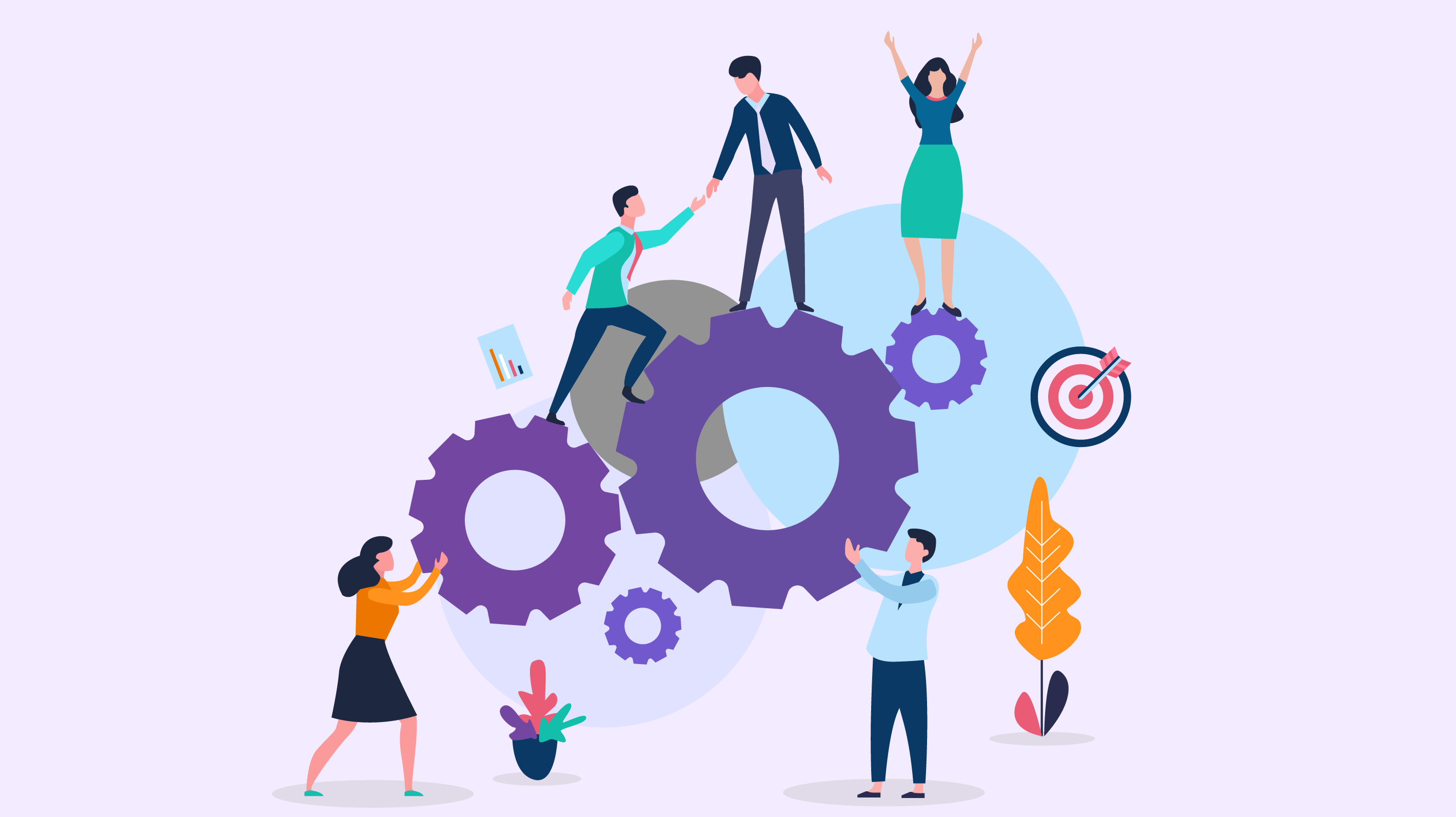

Cloud migration is often seen as the starting point but in reality, success begins long before anything is moved.
Organizations that rush into migration without preparation often face unexpected costs, performance issues, and architectural limitations. The difference between a smooth transition and a costly one lies in how well you prepare before the move.
Why Pre-Migration Planning Matters
Moving to the cloud without a clear strategy can lead to:
- Overspending due to poor resource allocation
- Performance issues from mismatched workloads
- Security and compliance gaps
- Inefficient architectures that are difficult to scale
A strong foundation ensures that your cloud environment is built for efficiency, reliability, and long-term growth.
What Cloud Readiness Really Means
Cloud readiness is more than technical compatibility, it’s about understanding how your systems, workloads, and business goals align with cloud capabilities.
A proper readiness approach includes:
✔ Readiness Assessments
Evaluate your current infrastructure, applications, and dependencies to determine what should move, what should be optimized, and what should be re-architected.
✔ Workload Evaluation
Not all workloads behave the same in the cloud. Identifying performance requirements, usage patterns, and scaling needs ensures the right architecture is applied.
✔ Cost Modeling
Forecast cloud costs based on real usage scenarios. This helps prevent unexpected expenses and ensures that your cloud investment is aligned with your budget.
Preventing Expensive Surprises
When these steps are done early, organizations can:
- Avoid unnecessary rework after migration
- Optimize performance from day one
- Maintain control over cloud spending
- Reduce risk during and after transition
Preparation transforms cloud migration from a reactive process into a strategic advantage.
Building a Strong Cloud Foundation
A well-planned cloud adoption strategy enables you to:
- Design scalable and resilient systems
- Improve deployment speed and operational efficiency
- Align infrastructure with business goals
- Support continuous growth and innovation
This ensures that your cloud environment is not just functional but future-ready.
Ready to Plan Your Cloud Migration the Right Way?
If you’re considering a move to the cloud, the best place to start is not migrating its preparation.
Let’s explore how readiness assessments, workload evaluation, and cost modeling can set your cloud journey up for success.

 By
By

 By
By

 By
By