
Not every development model fits every organization. While project-based engagements and short-term staffing can solve immediate needs, they often fall short when consistency, speed, and long-term ownership are required.
This is where Lab-Style Development becomes the better fit.
A Model Built for Continuity
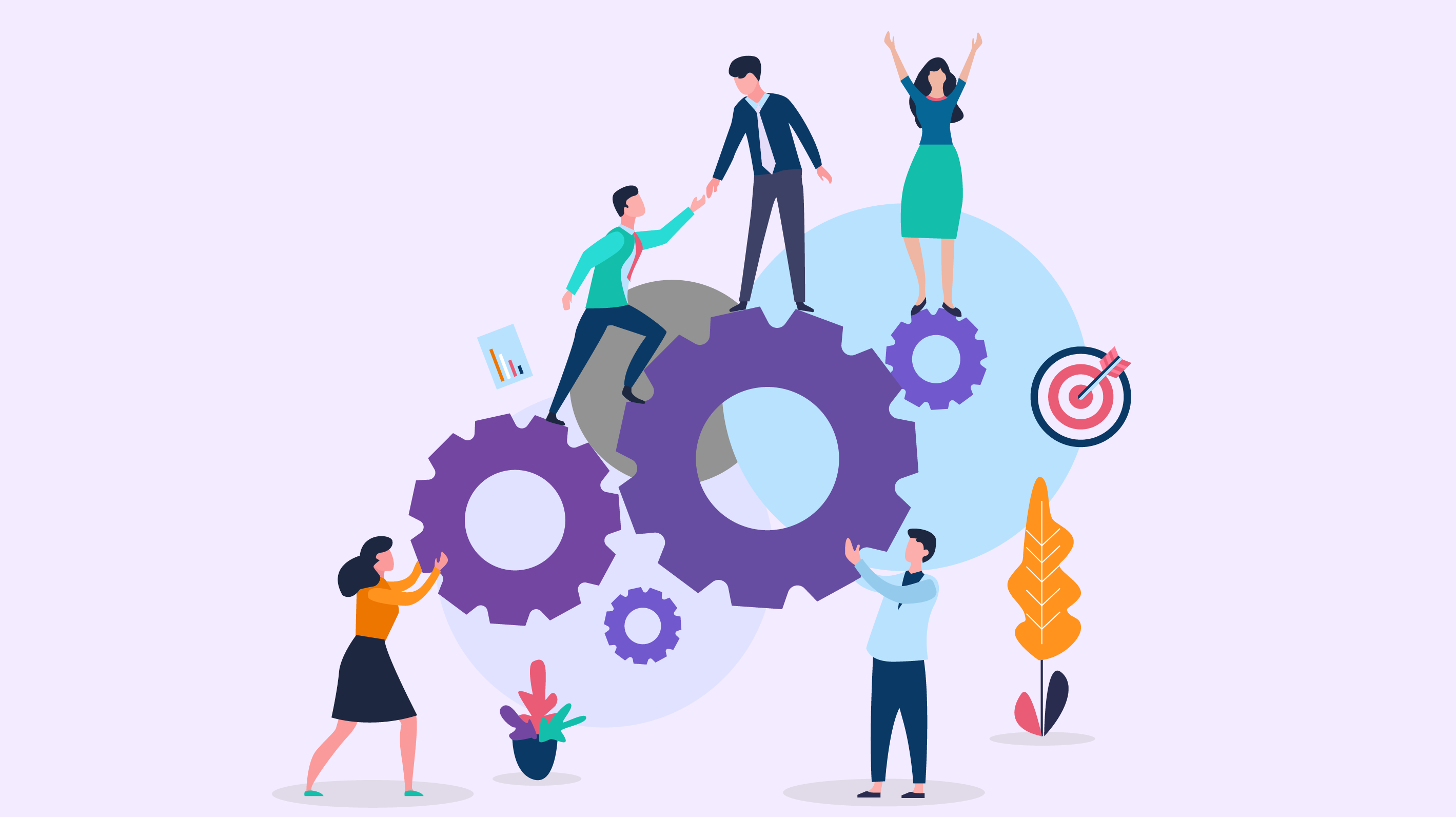
Lab-Style Development is designed for organizations that aren’t just delivering one project—but continuously evolving a product, platform, or system.
Instead of rotating vendors or frequently onboarding new contributors, you work with a dedicated Scrum team that stays aligned with your roadmap over time.
The result is not just delivery—but sustained momentum.
When Lab-Style Development Works Best
This model is particularly effective when:
✔ You Have Ongoing Enhancements
If your product roadmap includes continuous feature releases, improvements, and iterations, a dedicated team ensures progress never resets between initiatives.
✔ You Need Predictable Delivery
With sprint-based execution and transparent velocity, you gain a clear view of timelines, outputs, and team performance—making delivery more reliable and easier to plan.
✔ You Want Accountability, Not Turnover
Frequent resource changes can disrupt progress and dilute ownership. A long-term team brings consistency, accountability, and a deeper understanding of your product.
Beyond Project-Based Work
Traditional project models often involve starting and stopping—building, handing off, and moving on. While this works for defined scopes, it creates friction for organizations with evolving needs.
Lab-Style Development removes that stop-and-start cycle by providing:
- Continuous development and support
- Long-term product ownership
- A team that grows with your business
A True Long-Term Partnership
At its core, Lab-Style Development is not just a delivery model—it’s a partnership approach.
Instead of “project hopping,” you build a team that:
- Understands your goals
- Adapts to your priorities
- Delivers consistently over time
This is how organizations move from reactive development to structured, scalable product delivery.
Ready to Build with Continuity?
If your roadmap doesn’t stop, your development model shouldn’t either.
Let’s explore how a dedicated team can support your roadmap and accelerate delivery.

 By




 By