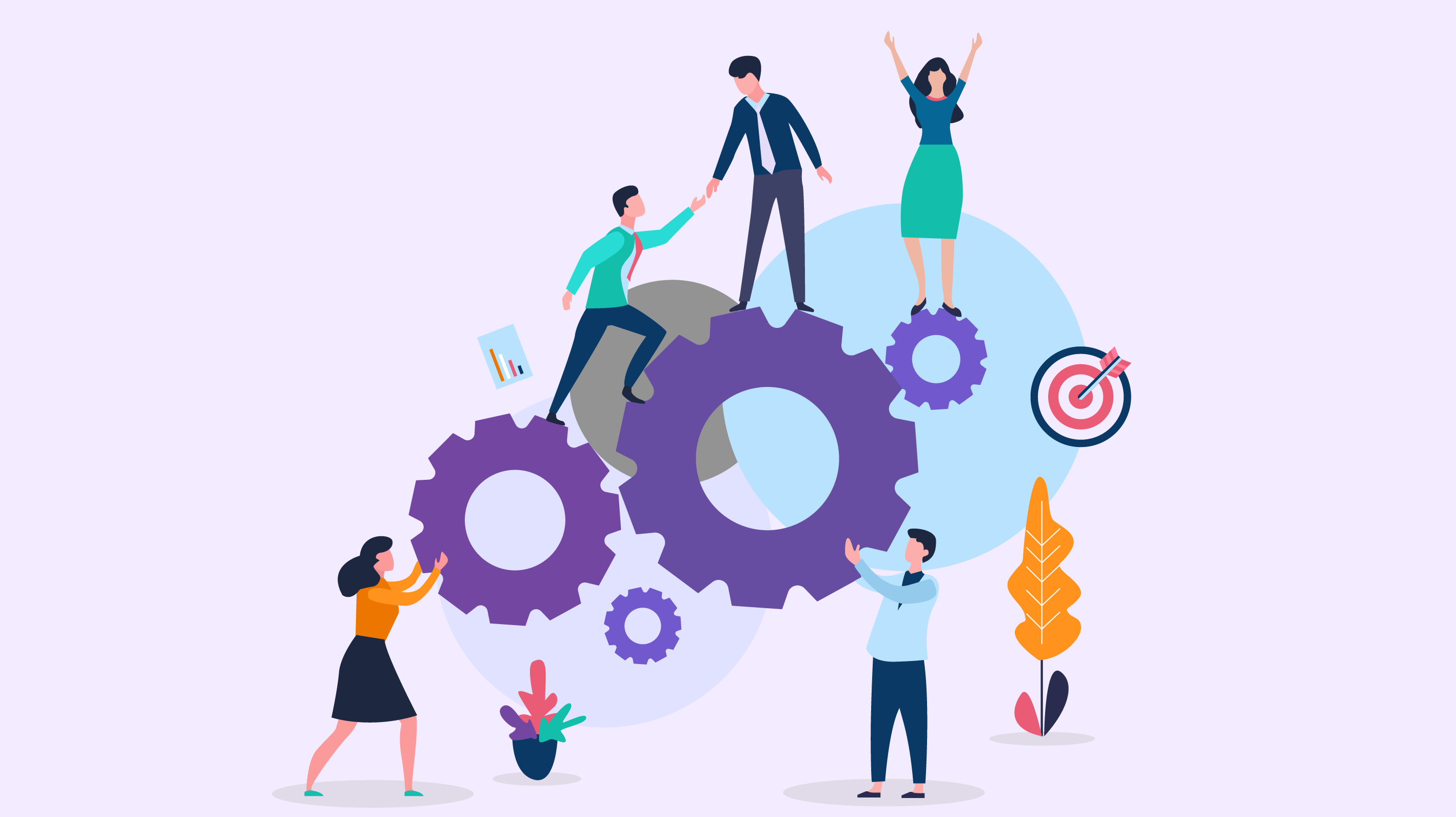

Software doesn’t live in isolation.
The most effective digital products are not built from a single discipline; they are the result of multiple capabilities working together. Engineering, AI, user experience, and accessibility must align to create systems that are not only functional, but also usable, scalable, and future-ready.
When these elements are disconnected, even well-built software can fall short.
The Problem with Siloed Development
Many organizations approach development in silos:
- Engineering focuses on functionality
- UX focuses on design
- AI is treated as a separate initiative
- Accessibility is addressed at the end
While each area may perform well individually, the lack of integration leads to:
- Inconsistent user experiences
- Gaps in accessibility and compliance
- Limited scalability
- Missed opportunities for automation and optimization
The result is a product that works but doesn’t fully deliver.
Building a Cohesive Digital System
The best digital platforms are designed as connected systems, where each component supports the other.
✔ Engineering as the Foundation
Robust architecture and scalable development ensure that systems perform reliably and can grow with the business.
✔ AI as an Enabler
AI enhances decision-making, automates workflows, and introduces intelligence into everyday processes when integrated properly.
✔ User Experience as the Interface
UX ensures that systems are intuitive, efficient, and aligned with how users actually interact with the product.
✔ Accessibility as a Standard
Accessibility ensures that products are inclusive, compliant, and usable by improving overall quality and reach.
Designed to Work Together
When these elements are built together not added later the result is a platform that is:
- Usable — intuitive and efficient for all users
- Compliant — aligned with accessibility and regulatory standards
- Scalable — ready to support growth and evolving requirements
- Adaptable — able to integrate new technologies and capabilities
This is how organizations move from isolated solutions to connected digital ecosystems.
Building for What’s Next
Technology continues to evolve but the need for well-integrated systems remains constant.
Organizations that succeed are those that:
- Break down silos between teams and disciplines
- Align technology with user and business needs
- Build with both current and future requirements in mind
By treating software as part of a larger system, you create a foundation that can support innovation over time.
Ready to Build a More Connected Platform?
If your systems are built in silos, it may be time to rethink how everything works together.
Let’s explore how engineering, AI, UX, and accessibility can come together to build a scalable, future-ready platform.

 By
By
 By
By


 By
By